The Changing Meaning Of Elegance In Traditional Card Rooms
16 August 2026 | 235
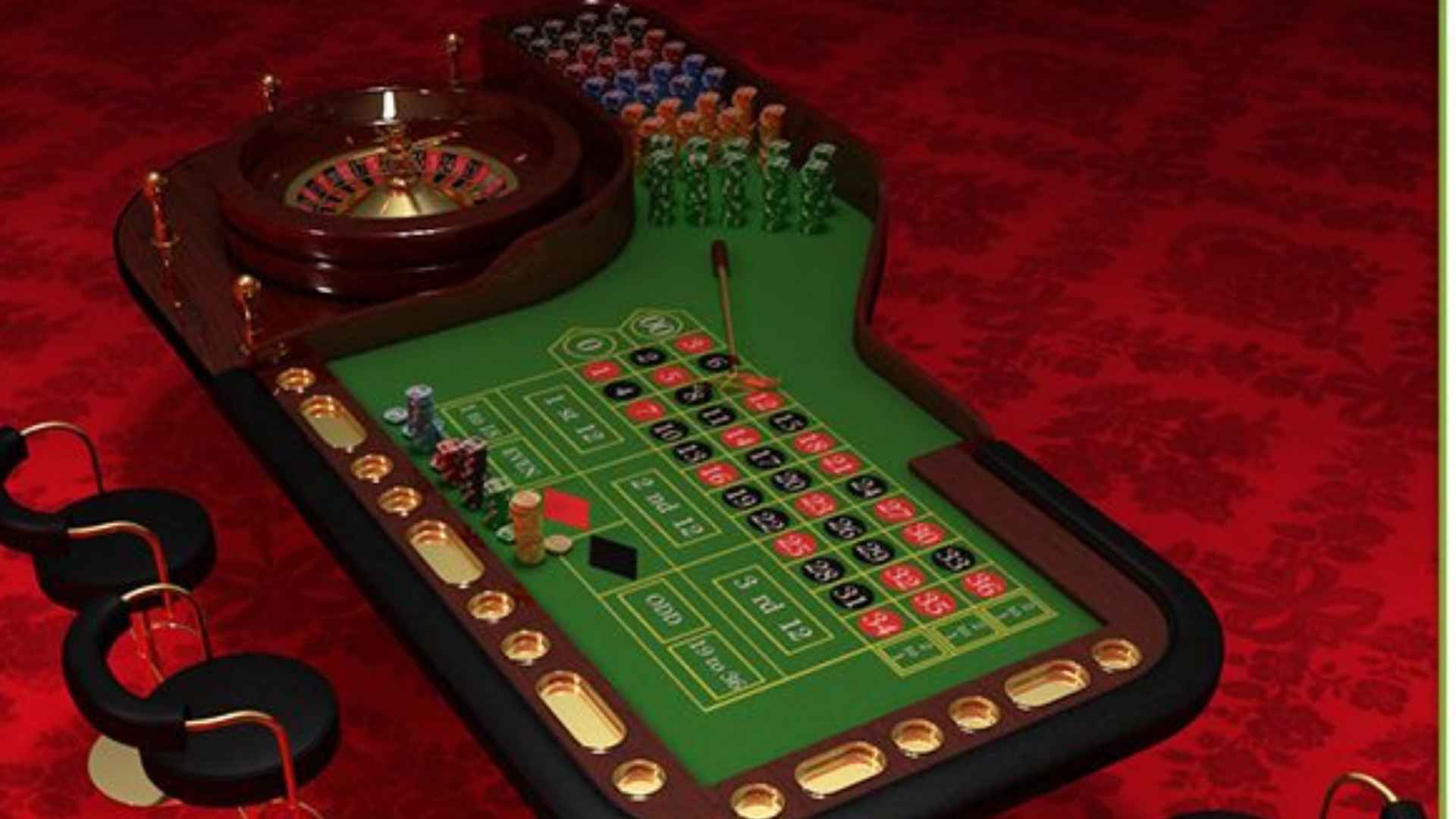
The concept of sophistication within classic gaming halls has undergone a major transformation over the last few decades. Historically, these exclusive spaces relied on rigid dress codes, heavy architectural ornaments, and quiet behavioral protocols to separate themselves from ordinary establishments. Today, a new perspective is emerging that prioritizes operational fluidity, digital integration, and sensory comfort over traditional material wealth.
The Architecture of Historic Salons
Classic European gaming rooms were intentionally designed to look like royal drawing areas or high-society private clubs. The physical environment featured expensive crystal lighting fixtures, dark polished wood panels, and heavy velvet curtains that blocked out the external world. These aesthetic choices created an atmosphere of absolute isolation where wealthy patrons could focus entirely on high-stakes interactions.
This old visual template established a strong connection between personal prestige and physical luxury for several generations. However, contemporary designers are finding that modern participants often feel overwhelmed or restricted by such heavy historical decorations. The current trend is shifting toward open layouts, natural lighting accents, and minimalist spatial structures that encourage relaxed movement.
How Digital Platforms Redefined Sophistication
The rapid growth of online gaming networks has completely decentralized the traditional luxury tabletop experience. Modern players no longer need to visit a physical building in London or Monte Carlo to enjoy high-stakes table dynamics. Advanced streaming software and live dealer rooms now deliver identical strategic tension straight to personal mobile devices.
Because players can engage from anywhere, the definition of a sophisticated environment now centers on software stability and secure accessibility. Enthusiasts seeking streamlined modern tables can easily use the official ทางเข้า m88 platform to explore current variations. This evolution shows that convenience and technical reliability have replaced physical real estate as the primary markers of an elite experience.
The Shifting Etiquette of Card Enthusiasts
Behavioral expectations within traditional establishments used to be incredibly strict and highly regulated by unwritten codes. Patrons were expected to maintain absolute emotional control, use specific hand gestures, and converse in hushed tones around the green felt layout. This disciplined environment created a high entry barrier that kept casual newcomers from participating confidently.
Modern card rooms are breaking down these intimidating social barriers to foster a much more inclusive and energetic community culture. Contemporary venues encourage lively conversations, casual clothing styles, and interactive digital scoreboards that assist players during a match. This welcoming approach turns what was once an exclusive social ritual into a shared entertainment activity open to everyone.
Balancing Legacy Aesthetics with Modern Utility
While minimalism dominates new projects, many luxury venues are choosing a balanced hybrid approach to preserve their historic identity. Designers are combining classic materials like fine marble and brushed brass with cutting-edge environmental controls and acoustic systems. This strategy ensures the space feels deeply rooted in history while providing the physical comfort expected by modern audiences.
Ultimately, true refinement in the gaming industry is no longer about wealth display or keeping people out. It is about creating smooth, transparent, and highly adaptable spaces that respect the historic origins of tabletop gaming. By focusing on user experience rather than old structural restrictions, traditional card rooms ensure their legacy remains relevant for future generations.