Poker Language That Strengthens Card Skills
30 July 2026 | 274
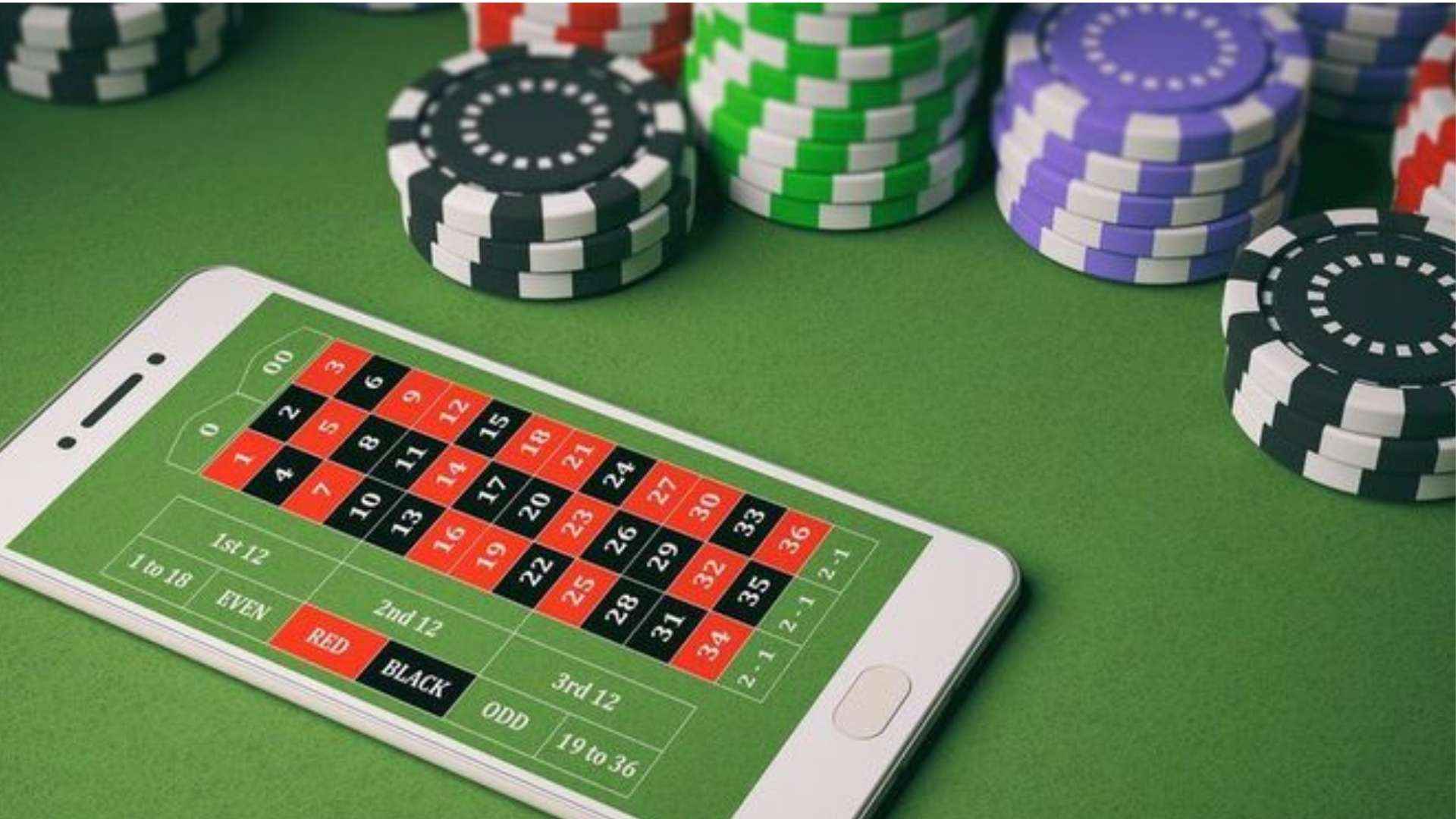
Mastering a competitive card game involves much more than simply relying on the luck of the deal or memorizing basic hand rankings. True proficiency requires players to adopt a specialized vocabulary that functions as a precise mental shorthand during intense table sessions. Internalizing this professional dialect directly sharpens analytical processing and elevates execution speed under pressure.
Categorizing Board Textures and Ranges
Experienced competitors rely on specific linguistic labels to quickly classify the community cards dealt face up in the middle of the table. Terms like wet or dry board immediately communicate whether the available cards present high coordination or safety. By utilizing these concise descriptions, players can systematically deduce the likelihood of an opponent holding a dangerous combination.
This structural language also helps analytical minds partition starting hands into logical groups rather than guessing individual card values. Categorizing ranges into linear or polarized models allows individuals to forecast tactical responses across multiple betting rounds. Consequently, using correct terminology transforms vague intuition into repeatable strategic calculations.
The Impact of Spatial Terminology
Where a participant sits relative to the dealer button completely dictates the flow of information during a competitive round. Vocabulary describing spatial dynamics, such as being in position or out of position, highlights the inherent advantage of acting last. Recognizing these boundaries helps players manage risk more effectively and execute complex maneuvers with higher confidence.
Many modern digital enthusiasts sharpen their spatial awareness by practicing regularly on diverse gaming software platforms. Finding a secure M88 slot environment offers the perfect opportunity to observe fast-paced betting cycles and structural layouts. Familiarizing yourself with these digital configurations ensures you maintain proper tactical positioning during crucial moments.
Decoding Behavioral and Betting Subtext
Every wager made at the felt table communicates a deeper narrative about a player's perceived hand strength and mental state. Advanced phrases like three-betting or floating describe specific tactical actions that carry significant psychological weight. Learning to articulate these concepts allows serious students to dissect complex historical sessions with absolute clarity.
Furthermore, recognizing industry slang helps individuals remain emotionally detached when unexpected variance influences the outcome of a match. Terms like bad beats or downswings provide a logical framework for processing short-term losses objectively. This cognitive structure protects your mental stamina and reinforces disciplined routines over extended periods.
Building Fluency for Study and Growth
Engaging in high-level strategy discussions with a study group is one of the fastest ways to eliminate persistent logical errors. However, explaining a complex multi-street scenario without utilizing precise industry vocabulary often leads to costly misunderstandings. Speaking the standard dialect ensures that strategic insights are passed down clearly without any cognitive confusion.
Ultimately, developing absolute fluency in table terminology is the foundational cornerstone of long-term card success. When you treat specialized words as essential decision-making tools, you naturally elevate your comprehensive approach to the game. Investing time into learning this unique linguistic landscape transforms how you interpret every single hand.